
AKCP Blog: Sensor & Digital Twin Technology
Explore technical guides, industry news, and engineering best practices for data center environmental monitoring. Discover how to bridge the gap between physical infrastructure and AI optimization.
On-site generation changes data center power monitoring. What operators need to meter when megawatts come from behind the fence, not just the grid.
Most data centers treat battery rooms as black boxes until a UPS drops the load or a hydrogen detector triggers a 2 AM shift call. Every battery chemistry broadcasts its own failure weeks in advance through minute shifts in thermal signatures, float current, and off-gassing. Surviving a utility drop requires moving past baseline fire code compliance and instrumenting the room for predictive, string-level telemetry.

AKCP, the world’s oldest and largest manufacturer of networked environmental, power and security monitoring solutions, has released AKCP IPSet, a new mobile application for iOS and Android that makes it faster and easier to discover and configure sensorProbe+ devices on a local network.
Summary: Battery room ventilation requirements exist because lead-acid batteries off-gas hydrogen during charging. The gas is colorless and odorless, rises, and pools at ceiling level; it becomes flammable at just 4% concentration in air. This guide explains the paths available for safety compliance and the monitoring evidence that keeps your room approved.
ISO 14001 data center compliance asks you to identify which parts of your operation affect the environment, decide which ones matter, control them, and show the controls are working. For a data center, the list is short; the problem is identifying them. It is proving, months later and to somebody else's satisfaction, that the controls were effective.
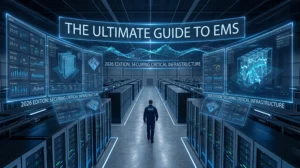
Environmental Monitoring Systems (EMS) serve as the critical eyes and ears system for commercial and industrial facilities. At its core, an EMS is an intelligent network of sensors designed to detect fluctuating environmental conditions such as temperature, humidity, airflow, and the presence of water.
ISO 50001 data center certification isn't about having an energy policy. It requires you to show that energy performance actually improved against a baseline you defined, verified by data you can defend. Most data centers fail that on the data evidence. The facility power meters tell you how much the data center is using. They don't tell you where the power went.
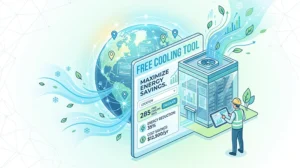
Free cooling is a highly effective, energy-efficient strategy that uses naturally cool outdoor air or water to remove heat from a facility. Instead of relying solely on energy-intensive mechanical refrigeration and running power-hungry compressors, a free cooling system leverages favorable outdoor temperatures to do the heavy lifting. This approach can drastically reduce your overall energy consumption, lower your utility bills, and shrink your facility's carbon footprint.
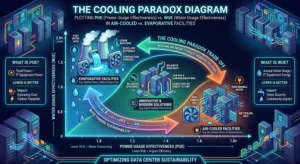
In an era where artificial intelligence and cloud computing power our daily lives, the infrastructure supporting it has come under increasing scrutiny. This article considers the water usage of these digital behemoths. We'll examine how much water they consume, the growing backlash over their environmental and community impacts, comparisons to other water-intensive industries, and the innovative steps the sector is taking to quench its thirst more sustainably.
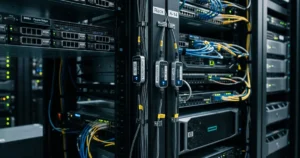
How many temperature sensors you need is less dependent on the size of your facility and more on how uneven the temperature is across it. A single sensor only measures the air touching it, so the real answer depends on the thermal gradient, not the square footage.